




Community Creations


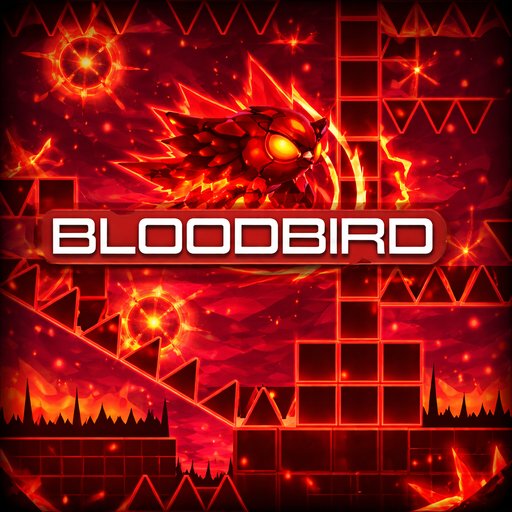
Dashmetry Bloodbird























About Dashmetry Bloodbird
Dashmetry Bloodbird is a rhythm platformer game built around speed, precision, and controlled chaos. The experience feels like trying to follow music that keeps changing tempo while the environment actively punishes hesitation. Every movement is synced to pressure, not relaxation. It’s less about “playing through a level” and more about surviving a sequence that expects perfection from the first second.
Dashmetry Bloodbird Core Gameplay – Small Moves, Big Consequences
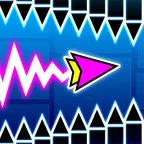
The entire gameplay revolves around one deceptively simple control: hold to rise, release to fall. That’s it. No complicated systems. No backup plan. Just you, a ship, and a corridor that seems personally offended by your existence. What makes it intense is not the mechanic itself, but the emotional rhythm it creates. You start calm for maybe half a second. Then the speed kicks in. The spikes tighten. Your brain tries to predict patterns, but the level changes just enough to break that prediction every time. There’s a very specific feeling here: you know exactly what you’re supposed to do, but your hands still hesitate like they’re negotiating with fear. When you fail, it’s usually not dramatic; it’s a small mistake, a fraction too low or too high. And that tiny mistake resets everything, like the game quietly saying, "Close, but not even close enough.”
Dashmetry Bloodbird - Best Tips For Beginner
Use “Tap Rhythm” Instead of Holding Control
New players usually fail because they treat the ship like a switch: hold to go up, release to go down. That mindset gets you killed fast. Example: In narrow spike corridors, don’t hold the mouse continuously. Instead, use short, repeated taps (like 0.1–0.3 seconds). This creates a stable “hover rhythm” that keeps your ship from drifting too high or too low. Think of it like drumming, not steering a car.
React to Patterns, Not Panic Speed Changes
The game intentionally changes speed to break your focus. If you react emotionally, your movement becomes messy and unpredictable.
Example: When the level suddenly speeds up, beginners often hold on longer to “escape upward.” That usually causes a crash into the upper spikes. Instead, keep your same tap rhythm and adjust only slightly after observing how the gap spacing changes. The trick is to observe first and react second, even if the game feels like it’s yelling at you.
Break the Level Into “Safe Micro-Zones”
Trying to remember the entire level at once is a mistake. Dashmetry Bloodbird is too quick for full memorization. Instead, split it into tiny survival zones.
Example: Identify moments where spike gaps briefly widen or movement feels slightly calmer. Treat those as reset points. Once you reliably reach one zone, focus only on surviving to the next. Players who improve fastest don’t memorize everything they stitch together small, consistent successes until the whole level becomes manageable.
Platform & Accessibility
- On mobile, fully playable on touchscreen controls, where tap-and-hold replaces mouse input
- On PC, a simple mouse-based system (click and hold to ascend, release to descend)
- Completely free to play in most versions available online, no payment required to access core gameplay
- No installation required for browser versions, allowing instant gameplay without setup time
Final Impression
Dashmetry Bloodbird isn’t trying to be forgiving. It’s a rhythm platformer built on precision, stress, and rapid adaptation. Every second demands attention, and every mistake feels smaller than it should be but costs more than you expect.
Rhythm PlatformersDiscuss Dashmetry Bloodbird